
Ledger.com/Start® | Getting started — Ledger Support
Ledger.com/start helps users understand Ledger wallet setup with simple guidance for device preparation, Ledger Live installation, account management, security practices, and recovery steps for beginners.
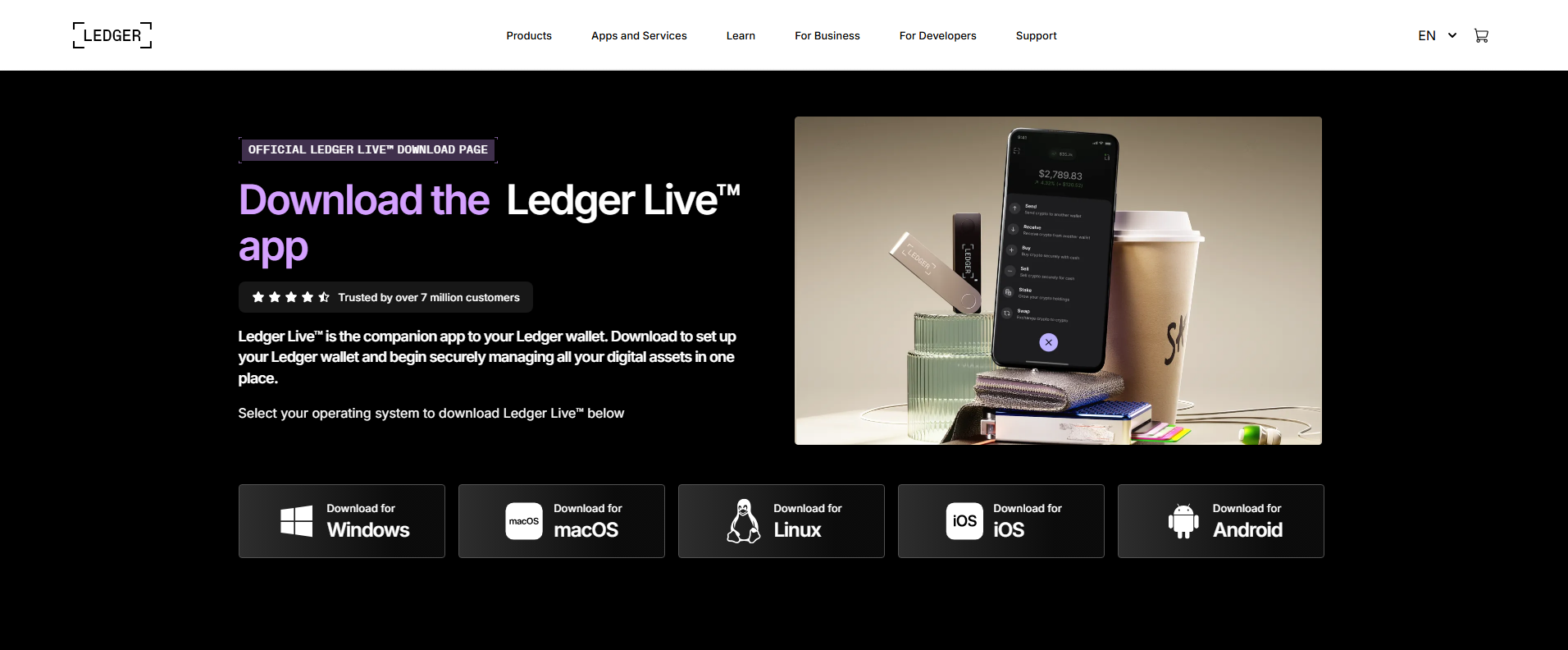
Ledger.com/start: Step-by-Step Guide to Setting Up Your Ledger Wallet
Setting up a cryptocurrency hardware wallet is an important step for anyone who wants greater control over digital assets. Ledger.com/start provides a starting point for users who need to configure a Ledger hardware wallet, install compatible software, and learn the basic security practices required for self-custody.
A Ledger device is designed to keep sensitive private-key information protected while allowing users to authorize transactions. However, the security of a wallet depends not only on the hardware itself but also on how carefully the owner completes setup and protects recovery information.
Getting Started With Ledger.com/start
When preparing a new Ledger wallet, begin with trusted Ledger resources rather than links provided through unexpected emails, social media posts, advertisements, or private messages.
The setup process typically involves installing compatible Ledger software, connecting the hardware wallet, initializing the device, creating a PIN, and securing the Secret Recovery Phrase. The exact instructions may vary according to the Ledger model and the software version being used.
Reading each instruction carefully before continuing can help prevent mistakes during the initial configuration.
Prepare Your Wallet Before Setup
Before beginning, make sure your Ledger device is available and that you have a compatible computer or mobile device. Choose a private environment where you can complete the setup without other people seeing confidential information.
Avoid allowing another person to configure the wallet on your behalf. The wallet should be initialized under your control so that you know exactly how the recovery information was created and where it is stored.
If anything about the device or setup process seems unusual, pause before continuing and consult trusted Ledger documentation.
Install Ledger Wallet Software
The companion wallet software provides an interface for interacting with supported cryptocurrency accounts. Depending on your device, Ledger provides software options for supported desktop and mobile platforms.
Always obtain wallet software from an official Ledger source. Search results can contain advertisements or websites designed to resemble legitimate cryptocurrency services.
After installing the appropriate application, connect the hardware wallet and follow the instructions provided by the software. When the application asks you to confirm an important action, pay attention to the information displayed on the physical device as well.
Choose a Secure PIN
During device initialization, you may be asked to establish a PIN. This PIN helps protect the physical hardware wallet from unauthorized access.
Choose a PIN that is difficult for others to guess and keep it confidential. Do not send the PIN to someone claiming to provide customer support, and avoid writing sensitive security information where another person could easily find it.
A hardware wallet works best when physical security and digital security are treated as equally important.
Understand the Secret Recovery Phrase
The Secret Recovery Phrase is a fundamental part of wallet ownership. It provides a backup mechanism for recovering access to the wallet when the original hardware device is unavailable.
Write down the recovery words exactly as they appear during the device setup process. Check their spelling and sequence carefully.
Never share the recovery phrase with another person. Do not type it into a website, email, chat window, cloud document, or computer application. Avoid taking digital photographs or screenshots of it.
Anyone asking for your recovery phrase should be treated with extreme caution. A legitimate support representative should not need your confidential recovery information to troubleshoot an ordinary setup problem.
Verify Important Actions on the Device
One useful security habit is checking important information directly on the hardware wallet before approving an action.
When sending cryptocurrency, carefully review the destination address and transaction amount. Do not approve a transaction simply because the information displayed on your computer or phone appears correct.
The physical device gives you an additional opportunity to confirm what you are authorizing. Developing this habit can reduce the chance of approving an unwanted transaction.
Set Up Supported Accounts
Once the wallet is initialized, the companion application can be used to create or add supported cryptocurrency accounts.
Different blockchain networks have different requirements, so account setup may vary depending on the asset. Follow the instructions presented by the current Ledger software instead of assuming that every cryptocurrency works in exactly the same way.
When receiving cryptocurrency, verify the address before providing it to another person. When sending funds, carefully review the destination and amount before approving the transaction.
Keep Your Recovery Information Safe
Protecting your recovery phrase should remain a priority long after the initial setup is complete.
Do not store the phrase in an online password manager, cloud storage account, email inbox, smartphone notes application, or another internet-connected location. Digital copies may create additional opportunities for unauthorized access.
The physical backup should be stored somewhere secure and private. Consider both unauthorized access and physical risks such as loss or damage when deciding how to protect it.
Recognize Fake Ledger Support
Cryptocurrency scams often involve fake support representatives. A scammer may contact a user and claim that the wallet needs verification, synchronization, security validation, or recovery.
Such messages should be approached carefully. Never provide your PIN or Secret Recovery Phrase to someone who contacts you unexpectedly.
Be particularly suspicious of anyone requesting remote access to your computer or asking you to install unfamiliar software. When you need assistance, navigate to trusted Ledger resources independently rather than following an unsolicited support link.
Avoid Common Setup Mistakes
Rushing through setup is one of the easiest ways to make a preventable mistake.
Do not use recovery information supplied by another person. Your wallet recovery information should be generated as part of your own wallet initialization or restoration process.
Do not enter confidential wallet information into unfamiliar websites. Do not approve transactions without checking the details. Do not download applications from unofficial sources simply because they appear in search results.
These simple precautions can significantly improve your overall wallet security.
Keep Your Ledger Wallet Updated
After completing the initial configuration, continue paying attention to software and device updates. Updates can provide improvements, compatibility changes, and security-related fixes.
Only install updates through trusted Ledger software and official resources. If an unexpected message tells you to install an update through a separate website, stop and verify the request before taking action.
Keeping software current while maintaining safe downloading habits is an important part of long-term wallet management.
Why Careful Setup Matters
A cryptocurrency wallet is not simply an application that displays a balance. It provides a way to control blockchain assets through cryptographic keys.
Because transactions can be difficult or impossible to reverse, mistakes can have serious consequences. A careful setup process helps users understand where their security responsibilities begin.
Ledger.com/start can therefore be viewed as more than a starting webpage. It represents the beginning of a broader self-custody process that includes device configuration, recovery protection, transaction verification, and ongoing security awareness.
Final Thoughts
Ledger.com/start can help new users begin the process of setting up a Ledger hardware wallet and learning how to manage supported digital assets.
The safest approach is to move slowly, use trusted Ledger resources, protect your PIN and Secret Recovery Phrase, and verify important transaction information directly on the hardware device.
Good wallet security is built through consistent habits rather than a single setup step. By taking the time to understand the device and protect its recovery information, users can create a stronger foundation for responsible cryptocurrency self-custody.
Updated about 5 hours ago